The Romantisation Of Eating Disorders

Introduction

You might have seen the movie To The Bone, where a young woman is struggling with anorexia. The way the disorder is portrayed in the film has sparked a lot of controversy, with some people arguing that it romanticizes eating disorders.

While I haven’t seen the movie myself, I can understand why people would have this reaction. Anorexia is a serious mental illness that should not be taken lightly. It’s important to remember that the people who struggle with it are not just “skinny girls” who are trying to be thin for esthetic reasons. They are fighting a real and dangerous battle against their own bodies.

That being said, I do think it’s important to recognize the appeal of eating disorders. There is something very alluring about the idea of being in complete control of your body and your diet. It’s like you’re taking your life into your own hands and you’re the one who is dictating what happens. For some people, this can be very tempting.

In this post, I want to explore the romantisation of eating disorders and why they are so appealing to some people.

What Is the Romantisation of Eating Disorders?

Have you ever heard the saying “love hurts”? Well, that phrase was never more true than when it comes to eating disorders.

When you’re in the grip of an eating disorder, it’s like you’re in a love affair with food. You become obsessed with it, and you start to think of it as your one true love. You develop a deep emotional connection to it, and you become convinced that food is the only thing that can make you happy.

This is the romantisation of eating disorders. It’s the idea that there’s something special and romantic about being thin and frail. It’s the belief that being thin is a sign of being successful and beautiful. And it’s the idea that having an eating disorder is a way to show the world how special you are.

How Does the Romantisation of Eating Disorders Impact Those With Eating Disorders?

How does the romantisation of eating disorders impact those with eating disorders? Well, for starters, it can make them feel like they’re not alone. It can make them feel like their struggles are validated, and that’s a powerful thing.

When people see their struggles reflected back to them in popular culture, it can give them the strength to keep going. It can give them hope. And for some people, that’s all they need to get through a tough time.

But for others, it can be dangerous. It can be easy to get caught up in the fantasy of having an eating disorder, and before you know it, you’re in too deep. You’ve lost control of your life, and you’re in danger of harming yourself.

So while the romantisation of eating disorders can be positive for some people, it can be negative for others. It’s a tricky balance, and we need to be careful about how we talk about these issues.

How Does the Romantisation of Eating Disorders Impact Public Perception of Eating Disorders?

How does the romantisation of eating disorders impact public perception of eating disorders?

Well, for one, it can make it seem like an “acceptable” thing to have. It can also make it harder for people who are struggling with eating disorders to seek help, because they may feel like they’re the only ones who are dealing with this issue. And finally, it can give people a skewed view of what eating disorders actually are.

All of this contributes to a general perception that eating disorders are a “life choice” or a “fashionable” statement, rather than a serious mental illness. This is a problem, because it can prevent people from getting the help they need and hinder our ability to fight against these illnesses.

Some Examples of the Romantisation of Eating Disorders

It’s not hard to find examples of the romantisation of eating disorders. Just take a look at the movies and TV shows that are popular right now.

There’s “To The Bone,” which glorifies anorexia nervosa. Then there’s “Trash” and “The Duff,” both of which portray eating disorders as a way to be sexy and attractive.

All of these stories send the message that an eating disorder is something to be proud of. They make it seem like an illness is something that can be glamorized and romanticized. But the truth is, eating disorders are anything but glamorous. They’re debilitating, dangerous, and can even be deadly.

The Dangers of the Romantisation of Eating Disorders

You may have heard people say that having an eating disorder is a “choice.” As if we just wake up one day and decide that we want to be malnourished and obsess over our weight. But the truth is, eating disorders are never just about food.

They’re about control.

And for a lot of people, being in control means being in a constant state of hunger and deprivation. It means feeling like you’re not good enough, that you’re not thin enough, that you’re not worthy of love and happiness.

The romantisation of eating disorders is dangerous because it perpetuates the myth that these disorders are some kind of “gift.” That they make you special, or unique, or “better” than everyone else. But the reality is that they’re nothing but a curse.

How to Combat the Romantisation of Eating Disorders

It’s no secret that eating disorders have been glamorized by the media in recent years. You only need to turn on your TV or scroll through your social media feeds to see examples of this.

But what you might not know is that this is having a serious impact on our youth. Eating disorders are now the number one cause of death for young women in the developed world, and the mortality rate is rising.

So what can we do to combat the romantisation of eating disorders? Here are a few tips:

1. Educate yourself and your loved ones about the realities of eating disorders.

2. Seek professional help if you think you or someone you know might be struggling with an eating disorder.

3. Don’t be afraid to talk about eating disorders openly and honestly.

4. Promote body positivity and self-love.

5. Support organizations that fight against eating disorders.

Conclusion

The romantisation of eating disorders is dangerous and can lead to people with eating disorders feeling like they are not sick enough, or that they are not doing enough. It can also lead to people thinking that eating disorders are romantic and glamorous, which is far from the truth.

If you see something romanticizing eating disorders, call it out. If you know someone with an eating disorder, be there for them and offer support. Eating disorders are serious illnesses that need to be treated with care and respect.

1200 Calories A Day: The Truth

The average person needs about 2,000 calories a day to maintain their weight. So, a person on a 1200 calorie a day diet is creating a calorie deficit in their body every day. This calorie deficit is what theoretically should lead to weight loss.

The idea of a calorie deficit diet is simple – eat fewer calories than your body needs and you will lose weight. However, the reality is often much more complicated than that. There are a number of factors that can affect how your body responds to a calorie deficit diet, including your age, activity level, genetics, and more.

In this article, we will take a close look at the 1200 calorie a day diet and explore the truth about this popular weight loss plan.


What are calories?

A calorie is a unit of energy that is used to measure the amount of energy in food. When we eat food, our bodies convert the calories into energy that we can use to fuel our activities. The number of calories in food depends on the type of food and the portion size. For example, a small piece of cake may have 100 calories, while a large piece of cake may have 700 calories.


Calories are important to consider when trying to lose, gain, or maintain weight. When trying to lose weight, we need to create a calorie deficit, which means we need to burn more calories than we consume. On the other hand, when trying to gain weight, we need to create a calorie surplus, which means we need to consume more calories than we burn. And lastly, when trying to maintain weight, we need to balance the number.


How many calories do we need a day?


The amount of calories we need per day varies depending on a number of factors, including our age, weight, and activity level. According to the National Institutes of Health, the average adult needs between 2,000 and 2,500 calories per day. However, this number can go up or down depending on your individual needs.

If you’re trying to lose weight, you’ll need to consume fewer calories than you burn each day. On the other hand, if you’re trying to gain weight, you’ll need to eat more calories than you burn. And if you’re trying to maintain your weight, you’ll need to eat enough calories to balance out the calories you’re burning.

The best way to determine how many calories you need is to talk to a doctor or dietitian. They can help you figure out a calorie plan that’s right


The drawbacks of the 1200 calorie diet


A 1200 calorie a day diet is not enough to keep the body healthy. It can result in health complications such as osteoporosis and cardiovascular disease.

People who are on a 1200 calorie diet may also feel constantly hungry and irritable, which can lead to binge eating or other negative behaviors that might be psychologically harmful.


Why you should avoid the 1200 calorie diet


The 1200 calorie diet, which limits food intake to 1200 calories per day, or just 4500 kJ, is not a healthy way of losing weight. The most significant health risks of the 1200 calorie diet are that it can cause deficiencies in certain nutrients and vitamins.

As a result, you may feel tired and lethargic while your brain functions may also be compromised. You may also suffer from dizziness and headaches as well as constipation because the lower-calorie intake can restrict your bowel movements.


Conclusion

The 1200 calorie diet is a fad diet that is ruining lives and bodies. It’s not sustainable and will leave you malnourished.

There are many positive benefits to caloric restriction, but the amount of calories in the 1200 calorie diet isn’t enough to provide your body with all the nutrients it needs.

There are also many more dangers associated with this kind of diet, including increased risk of stroke, heart disease, malnutrition and an increase in visceral fat.

Why Are Fruits So Important?

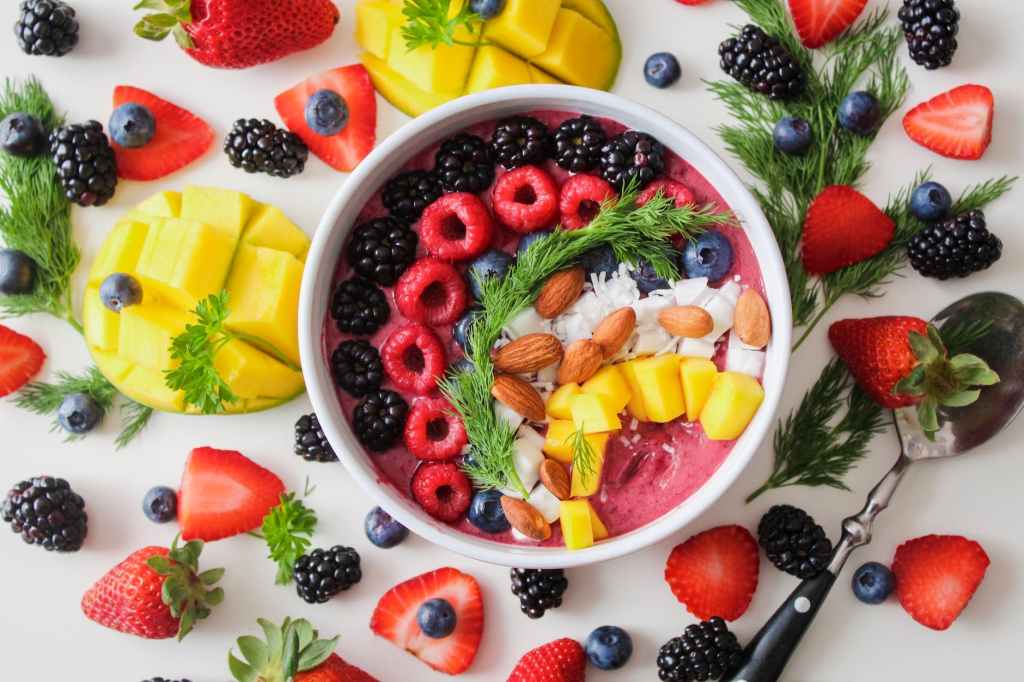
As an important part of a healthy diet, fruits are a source of many essential nutrients, including potassium, folate (folate), and antioxidants, including polyphenols.

Fruits such as blueberries, cranberries, strawberries, and citrus fruits also contain phytochemicals, which are being researched for additional health benefits.


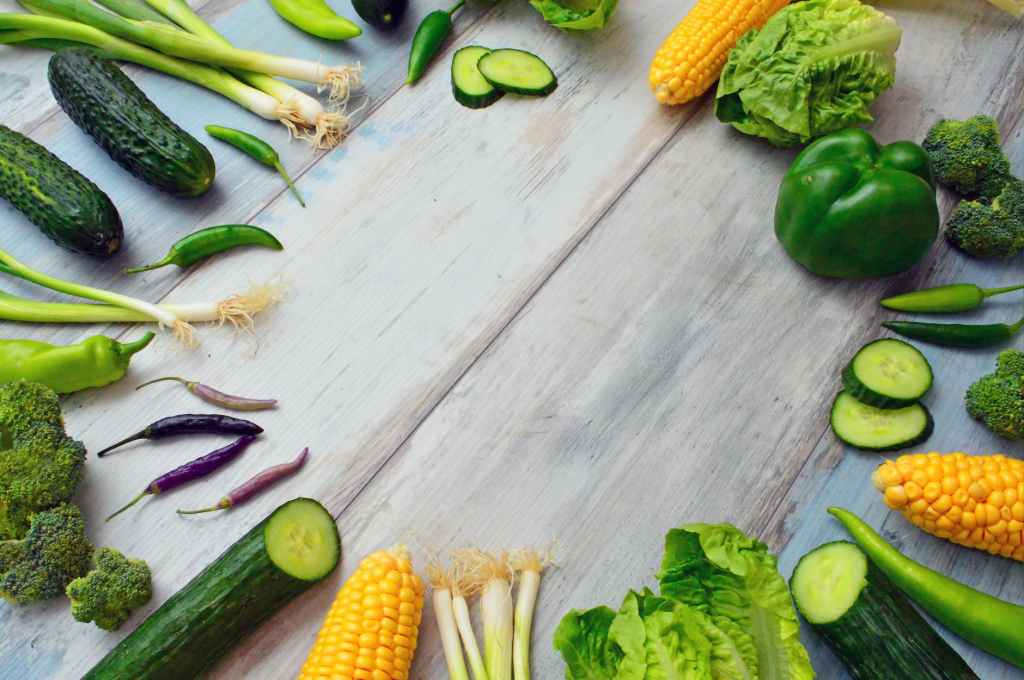
Fruits and vegetables are an important part of any balanced diet because they bring so much nutritional value to the table. In general, fruits and vegetables are rich in various vitamins and minerals that provide a variety of health benefits.


Fruits and vegetables can help you stay healthy. Fruits and vegetables that are low in saturated fat, salt, and sugar are part of a balanced diet that can help you lose weight or prevent weight gain. Plus, they can help you reduce inflammation, cholesterol, and blood pressure.
Fruit is a source of essential vitamins and minerals.
Fruits and vegetables are excellent sources of vitamins and minerals. You won’t find a better source of nutrients than fruits and vegetables, which are rich in vitamins A, C, and E, as well as magnesium, zinc, phosphorus, and folic acid. Potassium is one of the most important minerals for your health, eat plenty of avocados, sweet potatoes, bananas, plums, and even pureed tomatoes.

Fruits are a good source of vitamins and minerals and are known for preventing vitamin C and vitamin A deficiencies. People who eat fruits and vegetables as part of a healthy diet have a lower risk of certain chronic diseases. USDA’s MyPlate encourages half-filling your plate with fruits and vegetables at mealtimes.


Fruits are also recommended as a source of vitamin C and potassium. Traditionally, fruit for food has a limited supply and is sometimes difficult to collect and transport when ripe. After maturity, they have a short receptive period before aging begins. As a result, many fruits consumed in the world today are processed, frozen, canned or dried.

How Your Diet Affects The Brain

It’s hard to keep up the good habits we develop when we’re feeling the effects of a busy work week. We’re often ravenous by the time Friday rolls around, and our energy isn’t what it should be. We start to feel a little sluggish, our thoughts are a little cloudy, and our mood is a little low. All of these symptoms are caused by low levels of B vitamins and vitamin D, which are essential for a healthy brain. In this article, we explore the effects of a diet on the brain and how to improve your mental state naturally.


1. What are the benefits of a healthy diet?

Diet is important for everyone. If you want to maintain a healthy brain, you should try to eat a balanced diet. Some of the benefits of a healthy diet include improved memory, less risk of developing Alzheimer’s disease, and a better mood.


2. What causes us to feel low energy and sluggish?

There are many factors that can cause us to feel low energy and sluggish. However, the primary factors are diet and sleep. Diet is the big one. If you’re not getting the proper nutrients and calories you need, you will feel sluggish. Sleep is also another factor. If you don’t get enough sleep, you will feel sluggish. There are also a lot of other factors that can contribute to feeling low energy and sluggish. These factors include stress, lack of exercise, poor posture, and poor work-life balance.


3. What are the symptoms of low B vitamins?

The symptoms of low B vitamins are not always easy to spot. Some of the symptoms may include: -Poor memory -Difficulty concentrating -Poor reflexes -Irritability -Lack of motivation -Depression -Weakness


4. How can we improve our mental state?

One thing we can do is take care of our brains. In order to do this, we should eat foods that are high in antioxidants, minerals, and vitamins. These foods will help to improve our mental state. Another thing we can do is exercise. Exercise has been shown to have a positive effect on our mental state. Exercise can also help to improve various mental health conditions.

How fitness helped me to break out of depression

Depression is a very serious condition that can affect people in different ways. It can make you feel like there’s no light at the end of the tunnel, that you feel like you can’t accomplish anything. This is a common problem that many people go through and it’s not easy to overcome. It’s important to remember that you don’t have to go through depression alone. There are many ways you can help yourself get through it and that includes getting involved in fitness.


1. What is depression?

Depression is a mental illness that affects millions of people every year. It is the leading cause of disability worldwide. Depression is characterized by a long-term feeling of sadness and worthlessness, and it is a serious disease that affects the way people think, feel, and behave. There are a number of different types of depression. The most common types are Major Depressive Disorder and Dysthymia. Major Depressive Disorder is a type of depression that lasts for 2 years or more, and Dysthymia is a type of depression that lasts for less than 2 years. There are a few ways to know if you are experiencing depression. If you are feeling sad or hopeless for most of the day, you may be experiencing depression. Other symptoms of depression include sleeping too much or too little, eating too much or too little, having trouble concentrating, and feeling worthless. If you are experiencing any of these symptoms, you should talk to your doctor to find out if you are experiencing depression.


2. How fitness helped me.

When I first turned 14, I was very depressed. I was scared to talk to anyone about it because I was ashamed of my mental illness. I was also insecure because of my body. Then I discovered exercise. I started working out every two days, lifting weights and eating clean and I became a lot happier. After a while, I felt better in my own skin and started to socialize more. It really helped with my self-esteem and depression.


4. Conclusion.

I was in a really dark place, and was struggling with depression. I was feeling really low and really hurt. I didn’t know what to do with myself, so I decided to start going to the gym. I started with just going once a week, and gradually increased my fitness time. I also started to change my diet and increase my sleep. It helped me to break out of the dark place and start feeling better. I am currently in a really good place, and I am so thankful for the help of fitness.

Too many eggs: The side effects no one talks about

When it comes to eggs, most people think of them as being a healthy food. After all, they’re packed with protein and nutrients. However, there are some potential side effects of eating too many eggs that you may not be aware of.

Cholesterol: For one, eggs are pretty high in cholesterol. While dietary cholesterol isn’t as big of a concern as it once was, eating too many eggs can still increase your risk for heart disease. If you have existing cardiovascular issues, or if you have a family history of heart disease, you may want to limit your egg intake.

Weight gain: Another potential issue with eating too many eggs is that they can contribute to weight gain. This is because eggs are fairly calorie-dense and can add up quickly if you’re not careful. If you’re trying to lose weight or maintain a healthy weight, eat eggs in moderation.

Cancer: Finally, consuming large amounts of eggs on a regular basis could lead to an increased risk of certain types of cancer. One study found that men who ate seven or more eggs per week had a significantly higher risk of developing aggressive prostate cancer. While this link needs further research, it’s something to be aware of if you eat a lot of eggs.

Conclusion

So, while eggs are generally considered to be healthy, there are some potential risks associated with eating them in excess. If you’re concerned about your egg intake, talk to your doctor or a registered dietitian for guidance.

Lean Bulking: 5 ways to get shredded fast

Are you looking to get shredded fast? If so, you may be interested in lean bulking. Lean bulking is a strategy that bodybuilders and fitness enthusiasts use to gain muscle while minimizing fat gain. There are several key components to lean bulking, including training intensity, exercise selection, nutrition, and supplementation. In this blog post, we will explore each of these components in detail and provide some tips on how to make the most of your lean bulking journey.

What is lean bulking?

If you’re looking to bulk up and build muscle, there are two main approaches you can take: dirty bulking and lean bulking. Dirty bulking is when you eat whatever you want, without worrying too much about calories or macros, in order to gain weight and build muscle. This approach can work, but it often leads to excess fat gain.

Lean bulking is a more strategic approach that involves carefully tracking your calorie intake and macros to ensure you’re consuming just enough calories to support muscle growth while minimizing fat gain. Lean bulking is a variation of clean bulking where you aim to keep your body fat percentage low (usually below 15%) by eating mostly healthy, whole foods and limiting your intake of empty calories from junk food.

So, what are the benefits of lean bulking? First, it’s a more efficient way to build muscle since you’re not carrying around excess body fat. Second, it helps minimize the risk of injury since carrying extra body fat puts unnecessary stress on your joints and muscles. And third, it keeps you looking shredded all year round!

The benefits of lean bulking

Lean bulking is a great way to gain muscle without putting on too much fat. This approach can help you get shredded fast while still allowing you to bulk up.

There are several benefits to lean bulking, including:

1) You’ll be able to better control your body fat percentage.

2) You’ll be able to pack on muscle faster.

3) You’ll have more energy for intense workouts.

4) You’ll recover from workouts quicker.

5) You’ll be less likely to experience injuries.

The 5 best ways to get shredded fast

If you’re looking to get shredded fast, there are a few things you can do to help speed up the process. Here are the five best ways to get shredded fast:

1. Cut out processed foods and eat more whole foods.

Processed foods are loaded with sugar, unhealthy fats, and empty calories that can sabotage your shredding efforts. Eating more whole foods like vegetables, fruits, lean protein, and healthy fats will help you reach your goals faster.

2. Increase your protein intake.

Protein is essential for building muscle and losing fat. Aim to consume 0.7-1 grams of protein per pound of bodyweight each day to help maximize your results.

3. Lift weights regularly.

Lifting weights helps build muscle and burn fat, both of which are important for getting shredded fast. Shoot for 3-5 weightlifting sessions per week to see the best results.

4. Do HIIT cardio workouts.

High intensity interval training (HIIT) is an excellent way to burn fat while preserving muscle mass. Incorporate HIIT workouts into your routine a few times per week for maximum benefits.

5. Get enough sleep every night.

What to eat when lean bulking

When it comes to bulking up and getting shredded, there is no one-size-fits-all approach – each person will have different dietary needs based on their unique body type and goals. However, there are some general guidelines that can help you make the most of your lean bulking journey.

In general, you should aim to eat a diet that is rich in protein and complex carbohydrates, with moderate amounts of healthy fats. This will help you build muscle while minimizing fat gain. Here are some specific foods to include in your diet when lean bulking:

Protein sources: Chicken, turkey, fish, beef, eggs, Greek yogurt, cottage cheese
Carbohydrate sources: Oats, quinoa, sweet potatoes, brown rice, fruits and vegetables
Fat sources: Olive oil, avocados, nuts and seeds

There are a few key things to keep in mind when lean bulking:

1. Eat enough calories.

In order to gain muscle, you need to be in a calorie surplus. This means eating more calories than your body needs to maintain its weight. The amount of calories you need will depend on your body type, how active you are, and your goals.

2. Lift heavy weights.

To build muscle, you need to lift heavy weights. This means using weights that are challenging for you to lift for the prescribed number of repetitions. If you can lift the weight easily for the prescribed number of reps, then the weight is too light and you won’t build muscle.

3. Get enough protein.

Protein is essential for building muscle. Aim to consume 0.8-1 grams of protein per pound of bodyweight per day. So, if you weigh 180 pounds, you should be consuming 144-180 grams of protein per day. Good sources of protein include lean meats, poultry, fish, eggs, dairy, and protein supplements such as whey protein powder.

4. Don’t forget about carbs and fat.

While protein is important for building muscle, don’t forget about carbs and fat. Carbs are important for energy and help fuel your workouts while fat helps support hormone production and aids in recovery from workouts. Aim to consume 50-60% of your calories from carbs

Conclusion

If you want to get shredded fast, lean bulking is the way to go. By following these five tips, you’ll be able to maximize your gains and minimize your fat storage. Remember, lean bulking is all about being strategic – so make sure to follow a sensible diet and workout plan that you can stick to in the long run. And most importantly, have patience! Getting shredded takes time and dedication, but it’s definitely worth it in the end.

Strength training or HIIT?

Strength training and HIIT are two different types of workouts that have different benefits. It is important to know which one is better for you.

Strength training: Strength training involves the use of weights or other resistance machines to build muscle strength and endurance. This type of workout will help you build lean muscle tissue, which will improve your metabolism and your body’s ability to burn fat. Strength training also helps prevent osteoporosis and can even help reduce your risk of heart disease.

HIIT: HIIT stands for high-intensity interval training, which involves alternating periods of intense activity with periods of recovery time or rest. Studies show that this type of exercise can lead to weight loss, reduced blood pressure, improved cholesterol levels, and improved insulin sensitivity in people with type 2 diabetes mellitus.

What you should know before you start exercising

Exercise is a great way to stay healthy and fit, but it can be hard to find the motivation to get started. You might have tried exercising before, but didn’t like how it made you feel or didn’t see results. Or maybe you’ve just been busy with school or work and haven’t had time for regular exercise. Whatever the case may be, there are a few things that you should know before you start exercising.


The first thing that you need to know is that exercise doesn’t have to be boring! If you want to try something new and exciting, like dancing or playing sports, then go for it! Just remember that your body needs time to adjust to new workouts so don’t push yourself too hard at first—you’ll thank yourself later!


Another thing that you need to know is that progress doesn’t happen overnight; instead, it takes consistent effort over time. So if you think about how long it takes for someone else’s body to gain muscle mass or lose weight (or even just get healthier), then think about how long it would take for you too!


Finally, one last thing: don’t compare yourself against anyone else when starting out! There’s always someone who looks better than someone else at anything.

Best calorie counters in 2022

Planning to lose weight? Whether you want to lose weight or not, a calorie counter can help you get started by telling you how many calories are being consumed and offer guidance on getting back on track.

In this article, we ranked all the most popular calorie counters in 2022 and also provide information on how to use them in order to reach weight loss goals, how they work and how accurate they are.


There are a lot of different calorie counting apps available on the market. However, not all of them are created equal. Some of the best calorie counters include:


1. Lose It!
Lose It! is a popular calorie counter app that has a lot to offer. It has a large food database, making it easy to track your calories. It also has a barcode scanner, so you can quickly add foods to your tracker. Lose It! also offers premium features, such as detailed nutrient tracking and goal setting.


2. MyFitnessPal
MyFitnessPal is another popular calorie counter app. Like Lose It!, it has a large food database and barcode scanner. It also tracks nutrients and lets you set goals. One unique feature of MyFitnessPal is its Recipe Importer. This allows you to import recipes from popular cooking websites and track the nutritional information automatically.


3. Lifesum
Lifesum is a fitness app that lets you decide what a healthy lifestyle means to you. It has plenty of recommendations and suggestions, but they’re always pointing toward the goal you want. Few other weight loss apps are as flexible as Lifesum is to each individual’s dietary requirements, goals, and nutritional needs.


4. MyNetDiary
MyNetDiary has many functions. It’s a calorie counter, a food log, it offers an effective diet plan based on your activity level and age. The app claims over 10 million users, with those who are actively using the app — meaning that they continue to enter activity and calories — losing an average of 1.4 pounds per week.

Design a site like this with WordPress.com
Get started