The idea that diet is more important than exercise is an old one, but it’s still relevant. That’s because many people—even those who consider themselves athletes—have a “sporty” mentality when it comes to their bodies and exercise.
They’re going to the gym, they’re doing yoga, they’re running and lifting weights… so it’s all about the sweat, right?
Well, no. Diet is actually pretty important too. In fact, according to a study published by The Journal of Nutrition Metabolism and Function in 2011, the majority of people who exercised had gained weight over time (a whopping 67%). By contrast, only 26% of exercisers gained weight while on a diet. This means that most people are choosing not to lose weight when they go to the gym—and that means you should be concerned about what you eat instead!
If you want to improve your health and fitness levels but don’t want to gain weight or do any damage to your health or body composition (i.e., muscle loss), then it’s time for a change in perspective about what counts as exercise and what counts as dieting.
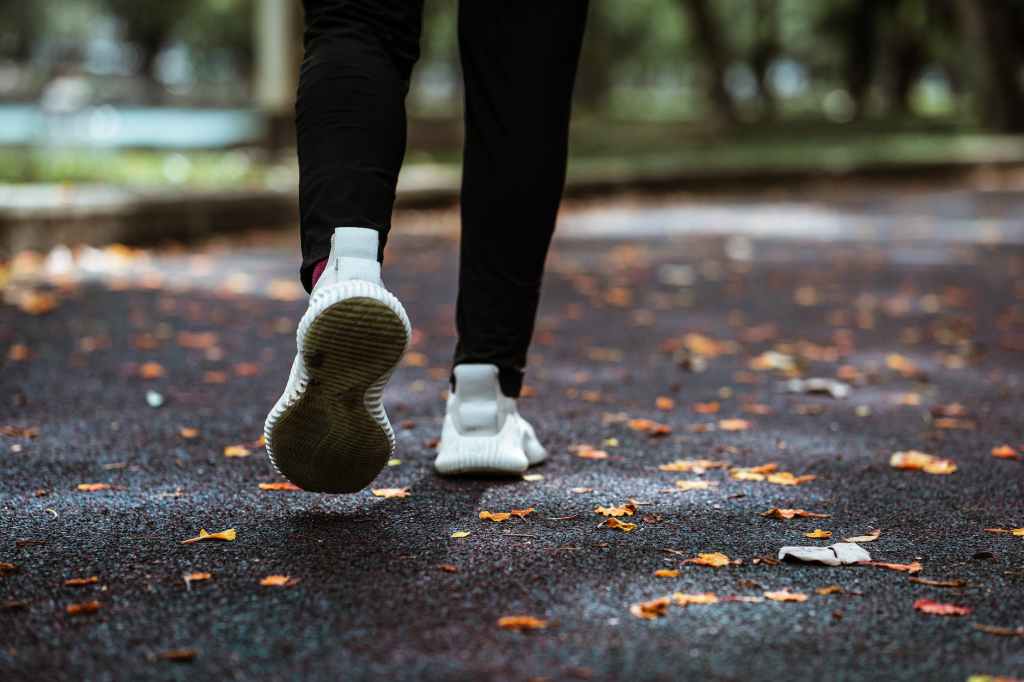
Cardio is one of the most important types of workouts that you can do. It helps your heart rate and blood pressure, which can help you prevent and treat several conditions, from high blood pressure to heart disease. Cardio also helps you lose weight and burn calories, which can help you manage your weight. Cardio is also great for your mental health, as exercise helps to release endorphins, which are a natural way to relieve anxiety. Cardio can also help you improve your mood and increase your independence, as it can help you build up strength and stamina.
7 benefits of cardio Cardiovascular workouts are important for many reasons. They are the most effective way to lose weight, tone the body, help with heart health, and are a great way to get the blood flowing. Cardio is also a great way to burn calories, build endurance, and improve mental health. Most importantly, cardio can help you live a longer and healthier life.
1. Cardio is a great way to burn calories Cardio burns fat through expenditure and is mainly excreted through gases via the lungs.
2. Cardio is a great way to build endurance Doing cardio regularly strengthens your heart and lungs and improves your circulation, which can help you build stamina and endurance.
3. Cardio can help improve mental health Cardio has been proven to reduce anxiety and depression. It stimulates the production of endorphins (chemicals in the brain that are the body’s natural painkillers) and it reduces levels of the body’s stress hormones.
5. It’s an effective way to lose weight Cardio is a great way to lose weight because it burns lots of calories, but you still need to be in a caloric deficit in order to lose weight. It does speed up your metabolism so you will be able to eat more and still lose weight.
6. Tones the body Cardio lowers your body fat percentage by burning fat. The lower your body fat is, the easier it will be to see your muscles, which makes your body look toned and well-defined.
6. Helps with heart health Cardio improves the muscles’ ability to pull oxygen out of the blood, reducing the need for the heart to pump more blood to the muscles. It also reduces stress hormones that can put a burden on the heart.
7. Helps getting the blood flowing When you exercise the blood vessels that supply blood to your muscles and take blood away from your muscles dilate to allow for a massive increase in blood flow to your muscles.
How to get started with cardio Cardio is a great way to burn calories and get fit. It’s often considered the best form of exercise. However, cardio should not be done by beginners. You should start with a low-intensity workout and work your way up to a higher-intensity workout. You should also make sure that you do cardio at the right time. For example, you should do cardio after your strength training workouts. Make sure to warm up before. You should also make sure that you are well-hydrated before doing cardio workouts. It is also important to make sure that you are well-rested before doing cardio workouts. Lastly, you should make sure to take a break between cardio workouts.
Conclusion Cardio is a great way to burn fat and improve your health. It’s also great for your heart and your lungs. If you want to lower your risk of heart disease or lung disease, then cardio is definitely an option.
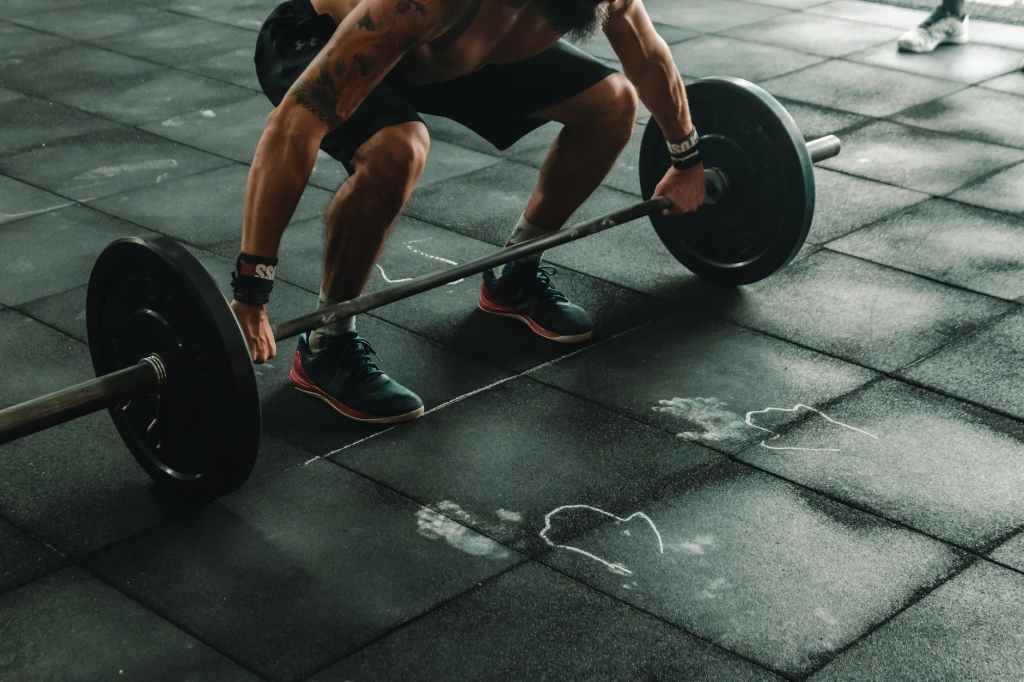
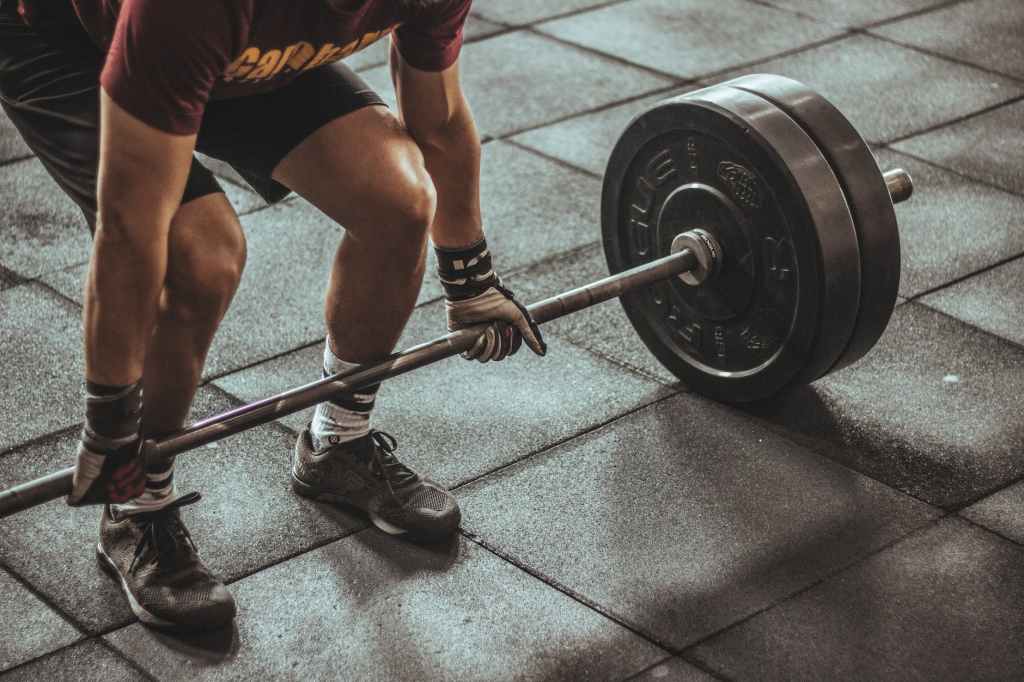
You’ve probably heard of deadlifting before, right? You’ve also probably heard many people say deadlifting is a great exercise. But is it a safe one? This is what we will be discussing today in this blog post.
What does deadlifting do? Deadlifting targets the muscles in your entire body, building strength, so if you’re using deadlifting to build muscle, stop. Deadlifting isn’t the best exercise for building muscle.
Is deadlifting safe? It’s safe as long as you have proper form, so you might need to work on your form to avoid injury.
How do you improve your form? 1. Centre the bar before you deadlift To achieve your biggest deadlift, the bar must stay close to the body and travel the shortest distance possible. To achieve this, the barbell should go through the center of the foot on set up.
2. Work on improving your grip before you deadlift The stronger your grip, the stronger your lift will be. Your nervous system won’t recruit the maximum amount of muscle mass if you are unsure of your grip.
3. Work on your breathing Proper breathing is important for your deadlift. Focus on big, deep breathing and exhaling the rib cage expanding and the diaphragm. Practice bracing by laying down on your back, taking big slow breaths in and long deep breaths out.
Conclusion Deadlifting is safe as long as you have proper form. You also need to make sure you don’t lift heavier than you can handle. It could lead to serious injuries.
We all know the importance of being fit and healthy, but what does that mean?
It means having the strength to get through a tough day, the energy to get things done, and the stamina to stay active for hours at a time. It means having the endurance to run farther than you ever have before or push yourself harder in an exercise class than you thought possible.
And it also means being able to make those changes in your life without feeling like you’re sacrificing anything else—like your social life or relationships with friends or family members.
So how do you get there? You might think starting with small changes would be easy, but once you’ve made those changes, they can feel like a huge achievement. And then it’s only natural to want more change! So what’s next? How do you keep going?
Here are some tips on how to keep going when it comes: – Be aware of what your goals are and why they matter to you.
– Make sure you’re making progress towards those goals every day.
– Set small goals along the way so that you don’t lose sight of why you started.
– Don’t compare yourself to others. Each person’s journey is different. Some might see results faster than you and that’s okay.
– Always remember, small progress is still progress. You might not see results right away, that’s because your body is adapting to your new lifestyle.
– You need discipline. There might be days when you don’t have the motivation to exercise, that’s why you need discipline. Remember your goals and think about your progress. But don’t push yourself too hard. Build a healthy routine and stick to it, because, after months pass, you will thank yourself for doing it.
If you’re looking to get bigger, you’ve probably heard the term “dirty bulking.”
Dirty bulking is the practice of consuming a high-calorie meal and then taking in a large amount of calories from other sources, such as protein shakes or food supplements.
The idea behind it is that you can pack on extra muscle by eating more food than your body can process. But if you’re looking to get strong, this isn’t the best way to go about it.
By consuming fatty foods and maintaining the consistency of a poor diet, you put yourself at risk for serious diseases including heart disease, high blood pressure, and cancer. Studies have shown that individuals who have diets containing high-fat foods are more likely to increase the risk of developing cancer over time.
Dirty bulking is more likely to set you back from adding muscle mass and will continue to hinder your off-season progress. This is mainly due to the careless nature of eating habits and the processed junk that is being consumed.
If you’re not paying attention to how much food you’re eating and how many calories your body needs each day, then there’s no telling how much weight you’ll gain—or whether losing all those pounds will be easy or not! Being overweight can lead to heart disease and diabetes (and sometimes even cancer), but becoming obese can also cause mood disorders and anxiety.
If you decide to dirty bulk, keep in mind your body fat percentage will be higher than what to want and your muscle mass may even decrease over time as your body adapts to the extra calories being fed into the system.
To gain muscle mass, you need to consume high amounts of protein and carbohydrates—that’s how your body builds muscle tissue. When you don’t take in enough calories, your body burns through its fat stores instead.
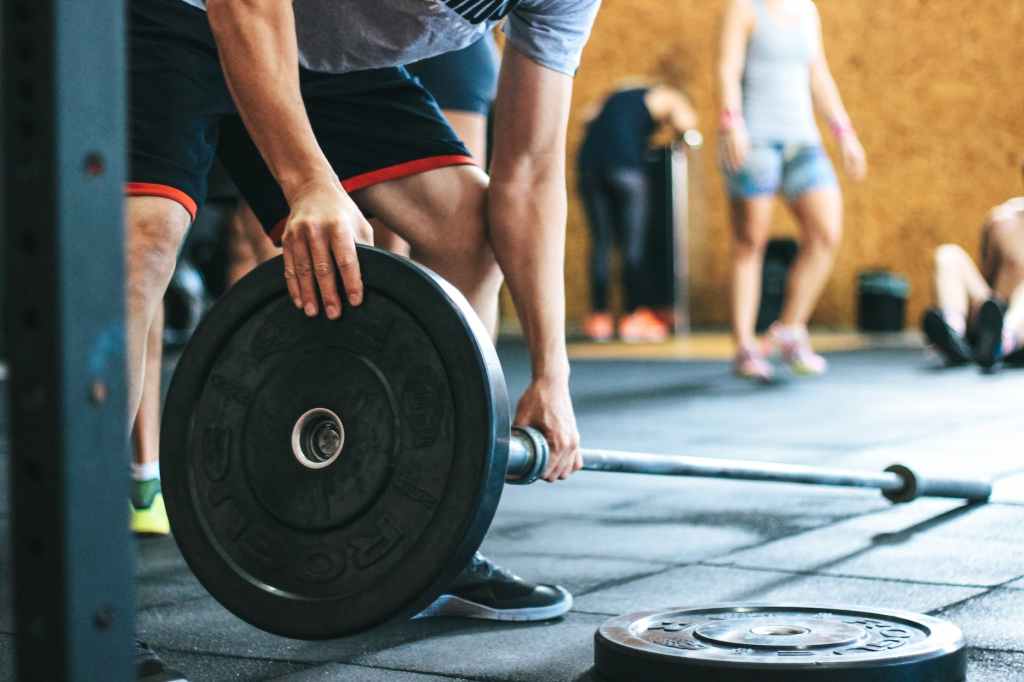
What happens then? Your muscles shrink and you lose weight! So what should you do instead? Focus on lifting weights regularly and eating a diet rich in healthy fats like avocado or olive oil (and no fast food) and lots of protein. This will lead to better results than dirty bulking ever could!





 Fitnestar